The chewing surfaces of your back teeth look sturdy, but tiny grooves can trap food and germs that even a good toothbrush cannot reach. A dental sealant covers those grooves with a smooth protective layer before a cavity has a chance to start.
At Deep River Family Dental, our doctor-owned practice offers sealants as part of pediatric dentistry and everyday preventive care for the whole family. We can check your molars, or your child’s, and let you know whether sealants make sense.
Sealants may be a good fit if you or your child has:
If you are not sure where you fall, our team can check your teeth and talk through your options during a visit. Sealants are simple and painless to place, making them an easy way to protect your smile. Call our office to schedule a visit.
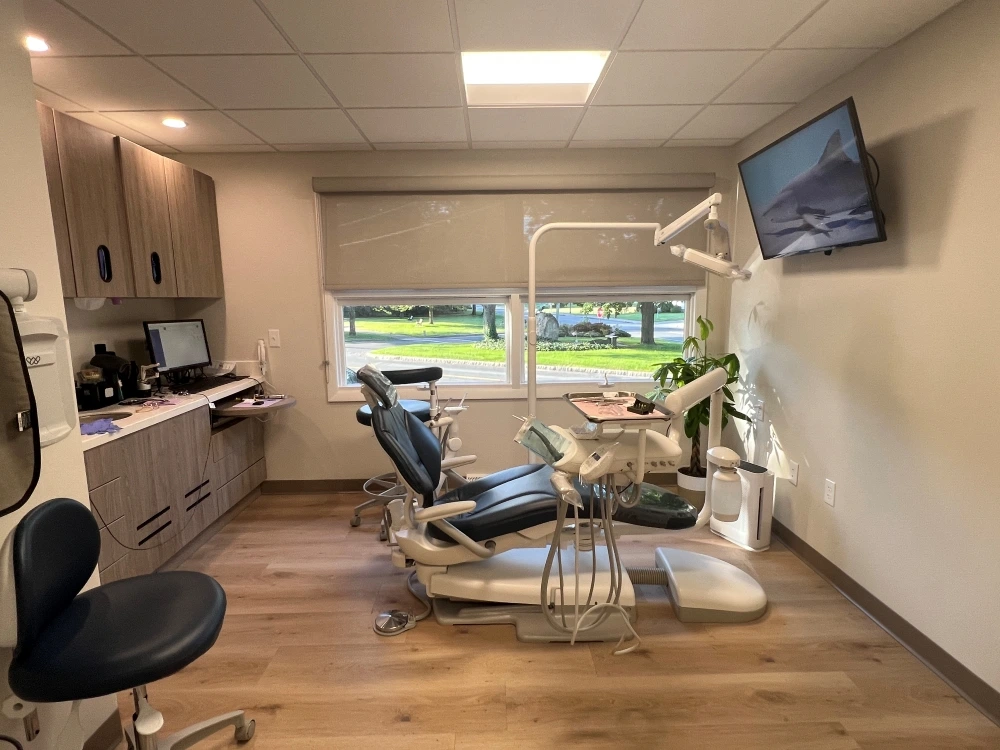
We place sealants right here in our Deep River office, so protection and checkups can happen in the same place.

Doctor-Owned Family Practice | We are led by Dr. George Kwon, DMD, a Boston University graduate, along with Dr. Kyle Lee, DMD, and Dr. Sandy Ahn, DMD.
Dentistry Built to Last | Our tagline guides how we care for teeth, and protecting healthy enamel early may help you avoid fillings and bigger repairs later.
Modern Technology | Our modern technology includes intraoral cameras and 3D imaging, so we can see your teeth clearly and show you what we find.
Comfortable Visits | If dental visits make you or your child nervous, ask us about our sedation options, including nitrous oxide.
Clear Costs | We are happy to go over costs before treatment, and we work with many major dental plans and third-party financing.
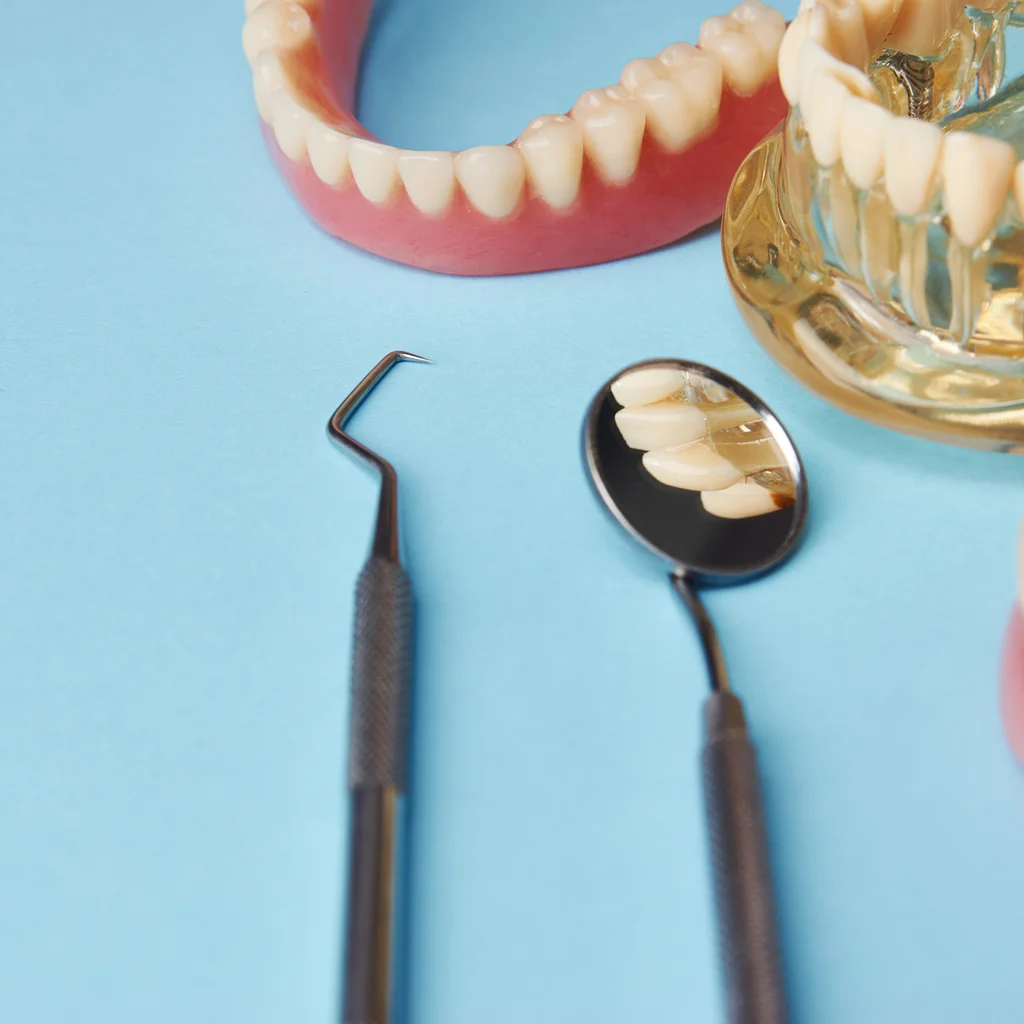
A dental sealant is a thin, plastic coating painted onto the chewing surfaces of your back teeth. It acts like a shield, keeping germs and food out of the natural pits and grooves where cavities often start.
According to the Centers for Disease Control and Prevention, sealants placed soon after adult molars come in can prevent up to 80% of cavities for two years and protect against 50% of cavities for up to four years. The same source notes that children ages 6 to 11 without sealants are almost three times more likely to have cavities in their molars.
Sealants are most often placed on kids, but age is not a limit. They can go on baby or permanent teeth, from about age 2 through adulthood. First permanent molars typically come in around age 6 and second molars around age 12, which makes those good times to ask.
Sealants and fillings both protect teeth, but they step in at very different moments.
| Dental sealant | Tooth filling | |
|---|---|---|
| When it applies | Before decay starts | After a cavity has formed |
| What it does | Covers the grooves to keep germs and food out | Replaces the decayed part of the tooth |
| How it goes on | Painted on as a liquid, then hardened | Placed after the decay has been cleaned out |
At your visit, our dental team can tell you which approach each tooth needs.
A little care helps your sealants do their job. Here is what we suggest after your visit.
If you have questions between visits, our team is happy to go over each step with you.
Sealants are not just for little kids, and we are glad to talk through what fits each stage of life.
We can look at your teeth, or your child’s, and let you know which ones may benefit.
If you do not have dental insurance, you still have options. We work with third-party financing through CareCredit, Proceed Finance, Cherry, and Lending Club, and we accept HSA and FSA payments, cash, checks, and all major cards. Read more about our insurance and financing options, or call our office to talk it through.
We are in-network with many major plans, including Aetna, Cigna, Delta Dental, Guardian, MetLife, and UnitedHealthcare. Many dental plans cover sealants, but coverage varies, so check your plan or ask our team before your visit.
Tell us about your health history, any medications, and any allergies so we can plan your care safely. If a tooth hurts or feels sensitive, let us know, because a sealant is a preventive treatment and that tooth may need a different type of care.
Sometimes a very small area of early decay is covered by accident. According to the National Institute of Dental and Craniofacial Research, the decay may not spread because it is sealed off from the germs and food it needs. We check your teeth first, and sealants are one part of a prevention plan.
Not at all. Sealants are simple and painless to place, and we can talk you through each step before we begin. If you feel nervous, ask about our sedation options.
According to the National Institute of Dental and Craniofacial Research, sealants can last up to 10 years, but they need regular checkups to make sure they aren’t chipped or worn away. If one wears down, we can often add more sealant material to repair it.
Sealants have been around since the 1960s, and research from NIDCR and others shows they work well and are safe.
Yes. Sealants protect the chewing surfaces, but the rest of your teeth still need daily brushing, flossing, and regular checkups. If you have more questions, contact our office, and our team is happy to help.
We are happy to help you book an appointment or answer your questions. Please fill out our contact form and we will get back to you shortly!