
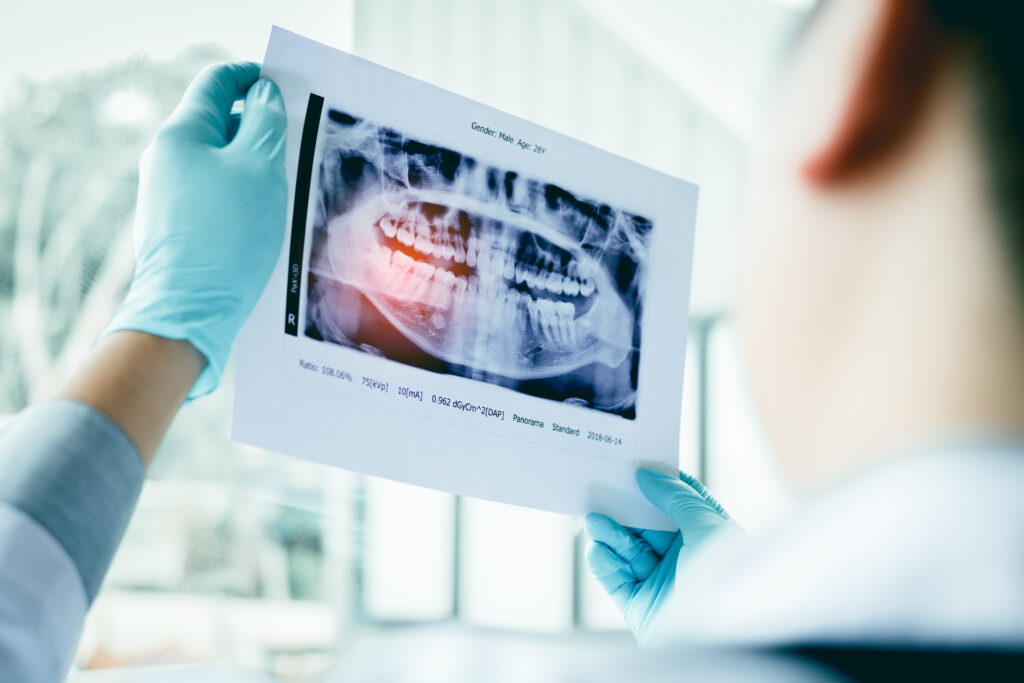
If someone has told you your jawbone is too thin for a dental implant, it can feel like a door just closed. Often, it hasn’t. Bone grafting rebuilds the jaw so an implant has solid support, and it’s a common step for patients who have lost bone over time.
At Deep River Family Dental, we place and restore dental implants, and we also offer bone grafting and sinus lifts for patients who need extra bone first. If a graft is part of your plan, you deserve to know whether you need one, how we determine it, and what to expect throughout the process.
Why Some Patients Need Bone Grafting Before Implants
An implant works like an artificial tooth root, so it needs enough healthy bone around it to stay put through years of chewing. When a tooth is lost, the bone that once surrounded its root can slowly shrink because it no longer has a job to do. That shrinkage can leave too little height or width for an implant. Several situations can lead to this, including:
- Missing teeth for a long time: When a tooth has been gone for years, the jawbone can shrink because no tooth root remains to support it.
- Gum disease: Advanced gum infection can break down the bone that holds your teeth in place, leaving less to work with later.
- Injury or trauma: An accident or a blow to the face can damage the jaw and reduce the amount of bone available for an implant.
- Sinus position: In the upper back jaw, the sinus may sit close to where an implant needs to go, leaving little room without added bone.
Any one of these may point toward a graft, but none of them means you automatically need one. Some patients have plenty of bone and move ahead without a graft.
How We Check Whether You Need a Graft
Your free consultation is where we start. Our 3D imaging lets us assess the height, width, and density of your jawbone, as well as the position of your sinuses in the upper jaw.
Dr. George Kwon’s Built to Last Protocol looks at the whole picture, including your bite, jaw joints, gums, and existing dental work, not only the spot where a tooth is missing. If you still have a tooth that needs to come out, tell us early, because the timing of tooth extractions can affect how much bone is left for your implant.
What Bone Grafting Involves
Every graft is planned around your bone, but the process usually follows a few clear stages.
Placing the Graft
During a graft, we place bone material where your jaw is thin so new bone can grow there over time. The material may come from your own body, a donor, an animal source, or a synthetic product, and which one fits depends on your situation.
For the upper back jaw, a sinus lift gently raises the sinus membrane and adds graft material underneath it to build height for the implant.
Healing and Timing
After the graft, your body needs time to knit the new material together with your natural bone. That often takes several months, and in some cases an implant can go in during the same visit as the graft, depending on how much bone you have. The sequence and timing depend on your treatment needs and how you heal.
Dr. Kwon has advanced training in PRF and CGF healing protocols, which use a sample of your own blood and may support healing. Researchers who reviewed bone grafts and barrier membranes used before implant placement also found success depends on a personalized approach.
Comfort and Recovery
Some swelling and tenderness are common in the first few days, and our patient information packets cover healing, diet, and long-term care so you aren’t guessing at home. If dental visits make you nervous, ask about our sedation options, which include nitrous oxide, oral conscious sedation, and IV sedation.
Implant Options Once Your Bone Is Ready
Once the bone is ready, you have several paths forward. Single-tooth implants and bridges can replace one tooth or a few in a row. If you’re missing many teeth, All-on-4 dental implants or snap-in implant dentures can restore a full arch of teeth.
Whether you need a graft is one factor in the cost of dental implants, which is one more reason the consultation matters.
Give Your Implants a Solid Start at Deep River Family Dental
Thin bone does not have to end your implant plans. Our team, led by Dr. George Kwon, brings advanced training in implant placement, bone grafting, and full-arch therapy, along with a Doctor of Dental Medicine degree from Boston University. Dr. Kwon has placed thousands of implants, and our Dentistry Built to Last approach focuses on care designed to last.
We offer a free consultation and a free second opinion for implants, and we accept HSA and FSA payments along with third-party financing through CareCredit, Proceed Finance, Cherry, and Lending Club. We welcome patients from Deep River and the surrounding river valley towns. Call our office at (860) 526-9519 to schedule, or reach out through our contact form to get started.